CHOIJIN LAMA CHURCH
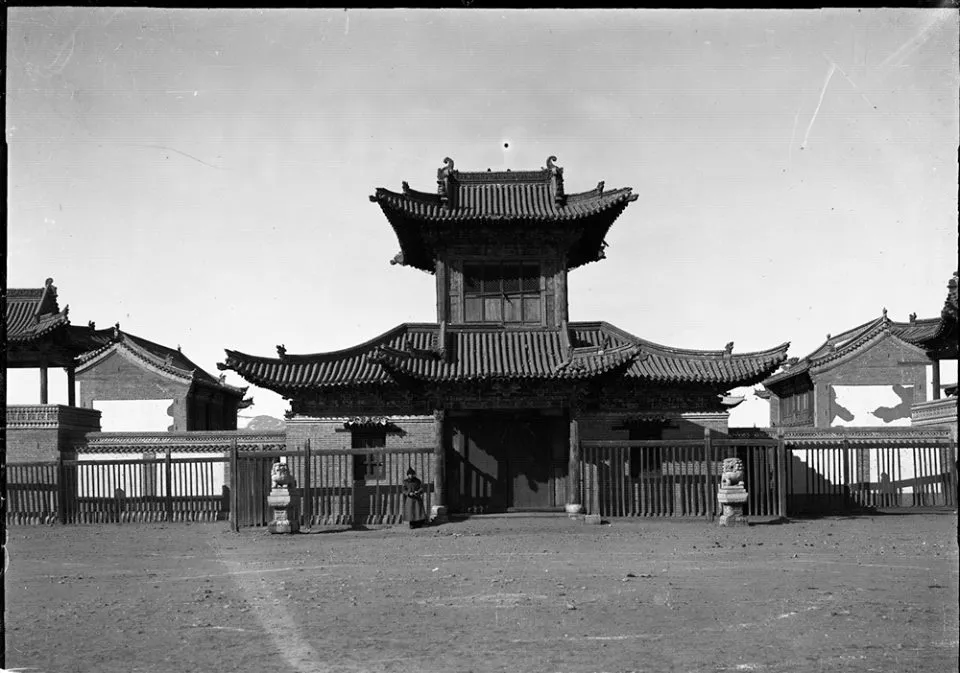
The Choijin Lama Temple is not only a place of unique and precious works of talented craftsmen from the late 19th and early 20th centuries, but also a unique heritage of Mongolian history, religion, culture, and architecture. Choijin Lama Luvsankhaidav built his first temple northwest of the Yellow Palace in Zuun Khureen between 1899 and 1901.
Soon, one night in the late winter of 1903, a sudden fire broke out and completely destroyed the original temple of Choijin Lama Luvsankhaidaw. So, the Choijin Lama temple was rebuilt by more than 300 craftsmen, led by Uran Ombo, at its current location between 1904 and 1908.
During the years of the People's Republic, due to the government's restrictive policy on religion and monks, the activities of the temple's Khural Dhamma stopped and was eventually closed in 1938. At that time, there were more than 750 temples in Mongolia, and many of them were destroyed during the repression. The Choijin Lama Temple is one of the few temple complexes that survived the years of repression in the 1930s.
Soon, one night in the late winter of 1903, a sudden fire broke out and the first temple of Choijin Lama Luvsankhaidav was completely destroyed. So, more than 300 monks led by Uran Ombo rebuilt the Choijin Lama Temple in its current location between 1904 and 1908. Due to the government's restrictive policy on religion and monks during the People's Government, the temple's religious activities stopped and was eventually closed in 1938. At that time, there were more than 750 temples in Mongolia, and many of them were destroyed during the repression. Choijin Lama Temple is one of the few temple complexes that survived the years of repression in the 1930s.
STATE CHOYJIN LAMA LUVSANKHAIDAV
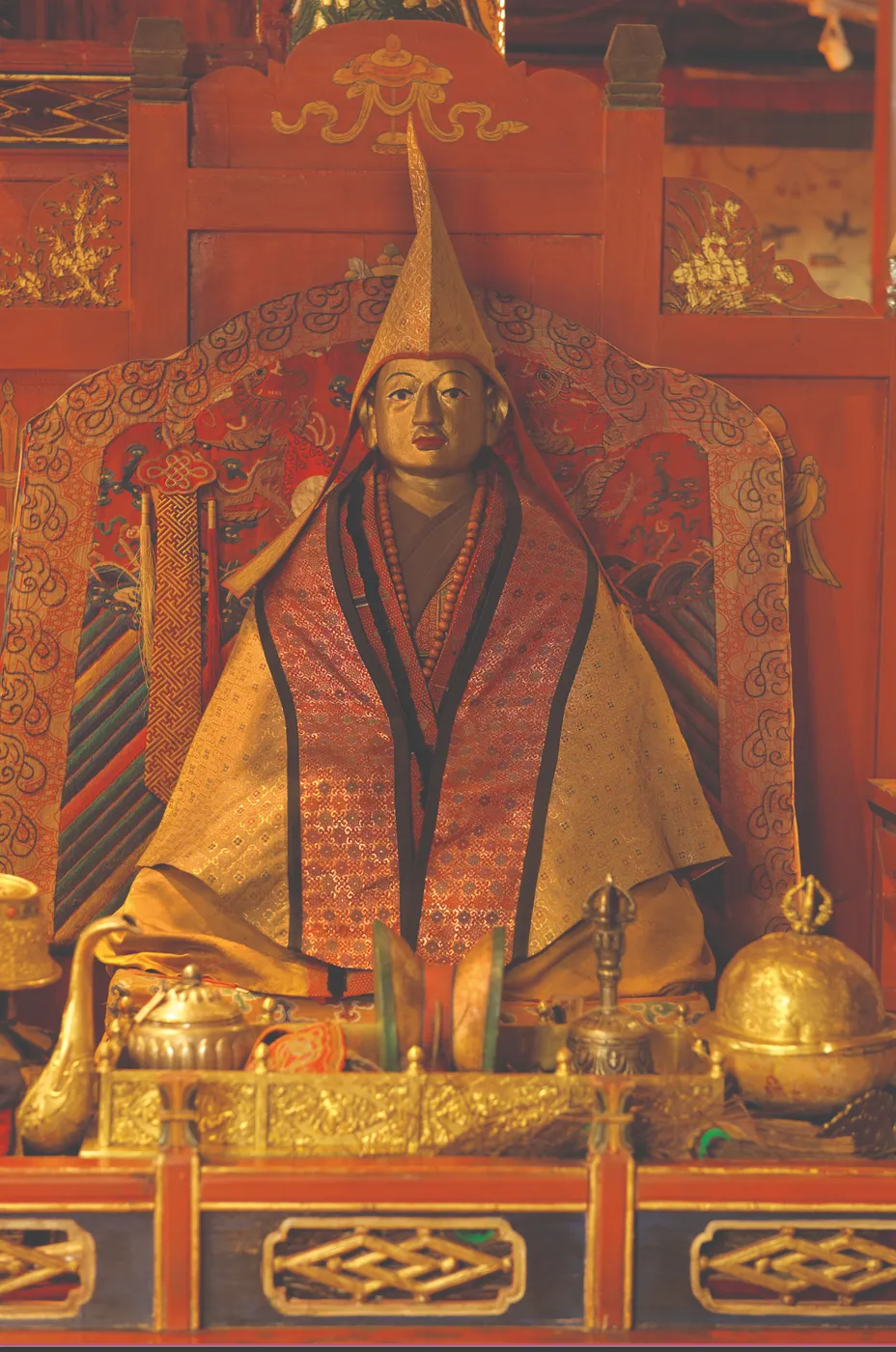
The great Choijin of the Mongolian state, Luvsankhaidav Khutaght, was born in Tibet in 1872 as the fifth son of Gonchigtseren, an official of the Dalai Lama. He and his family arrived in Mongolia in the fall of 1874, shortly after his brother was enthroned as the VIII Bogd Javzundamba Khutaght of Mongolia. In 1883-1884, the Great Patriarch Nomun Khan Baldan Choimbol and the VIII Bogd Javzundamba Khutaght appointed Luvsankhaidav as the “Choijin Lama” with the power of a fierce amulet to protect the Mongolian religion and nation.
The VIII Bogd Javzundamba Khutaght, who was the successor of the Niislel region's Golin Choijin Sahius, bestowed the title of "Erdene Biligt Tungalag Bishrelt Khutaght" on the pious and pious Gurtembe and Gujir Khutaght, who was the successor of the Luvsan Khaidavt. He was also awarded the Khutaght seal, the Choijin Sahius seal, and the seal of his temple, and was given the high honor of "Protector of the Khalkhin Religion".
Choijin Lama Luvsankhaidav was one of the most influential lamas of the 19th and early 20th centuries. He was the State Choijin, who was responsible for suppressing and destroying enemies and heretics who hindered the independence and development of the state through strict tantric methods and magic. He has a history of supporting the state and people with his religious knowledge and contributing to the cause of Mongolian independence.
HISTORY THAT BECAME A MUSEUM
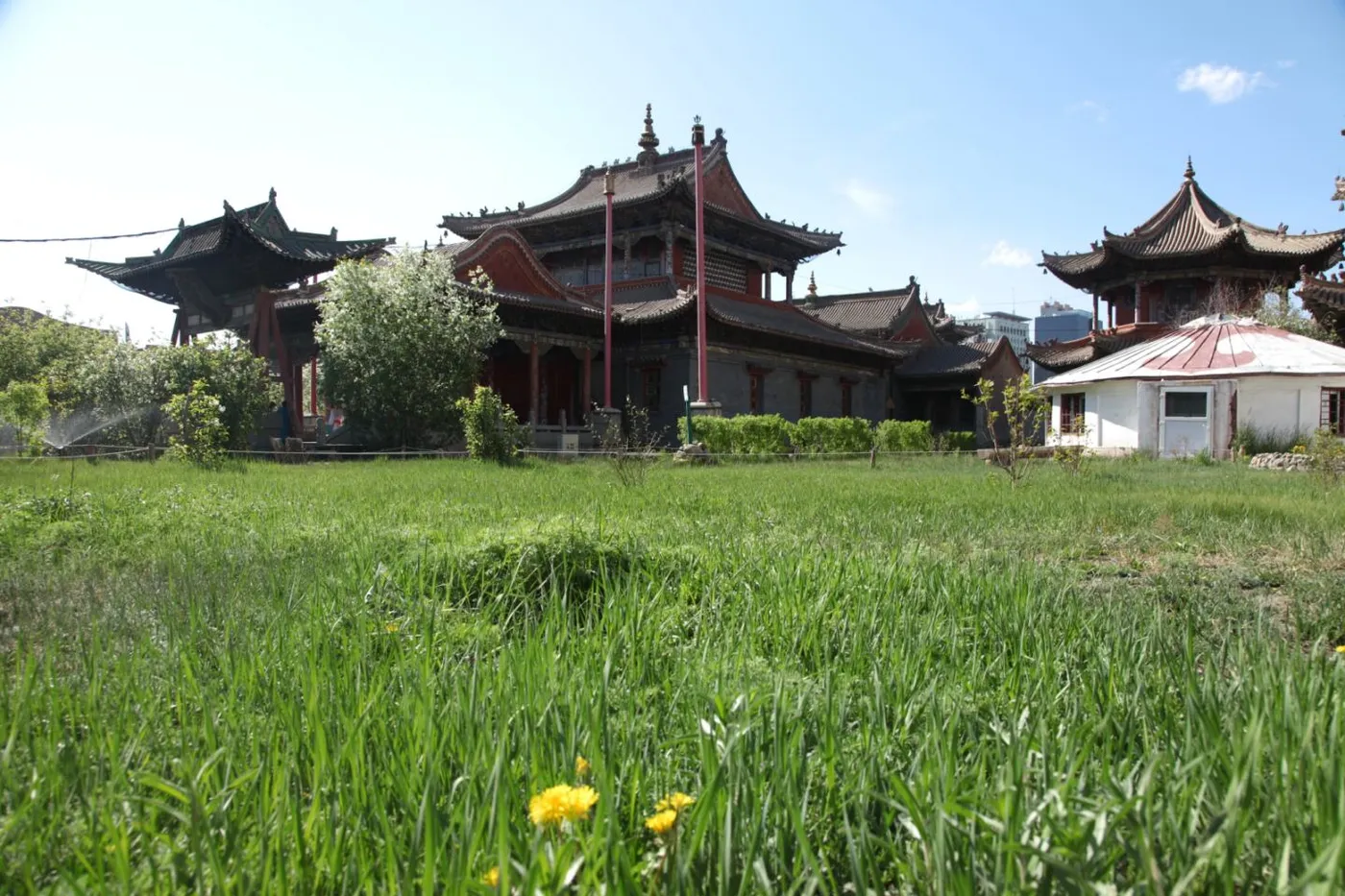
The temple, which is a valuable historical and cultural heritage of Mongolia, was transferred to the Institute of Scripture in 1938, and then, by the decision of the meeting of the Presidium of the Supreme Council of the Mongolian People's Republic on November 13, 1941, the Khalkh Gate of the temple was taken under state protection, and it was preserved for future generations. Thus, the Choijin Lama Temple was shown to domestic and foreign guests and representatives on request. Later, since 1962, it has become a museum open to the public.
CHANGE OF NAME OF THE ORGANIZATION
1904 - 1938 Church of the Development of Mercy
1938 - 1990 Church Museum
2000 - Now Choijin Lama Temple Museum
For more information, please visit the following source:
Choijin Lama Temple Museum
Research and Treasury Department
Email: Templemuseum8@gmail.com
Phone: +976-11-324788